

Raid prep is where TBC gold quietly disappears
New raiders in Burning Crusade Classic Anniversary often assume the difficult part is learning the fights. In practice the first obstacle is preparation. Before you step into Karazhan, Gruul’s Lair or Magtheridon’s Lair, your character needs the right gear, enchants, gems, consumables and a repair buffer, and each of those items costs something.
This guide lays out those costs by category, shows how to keep them under control, and covers the scams that target players who are short on gold. It does not quote prices, since every realm is different, but it gives you a clear checklist.
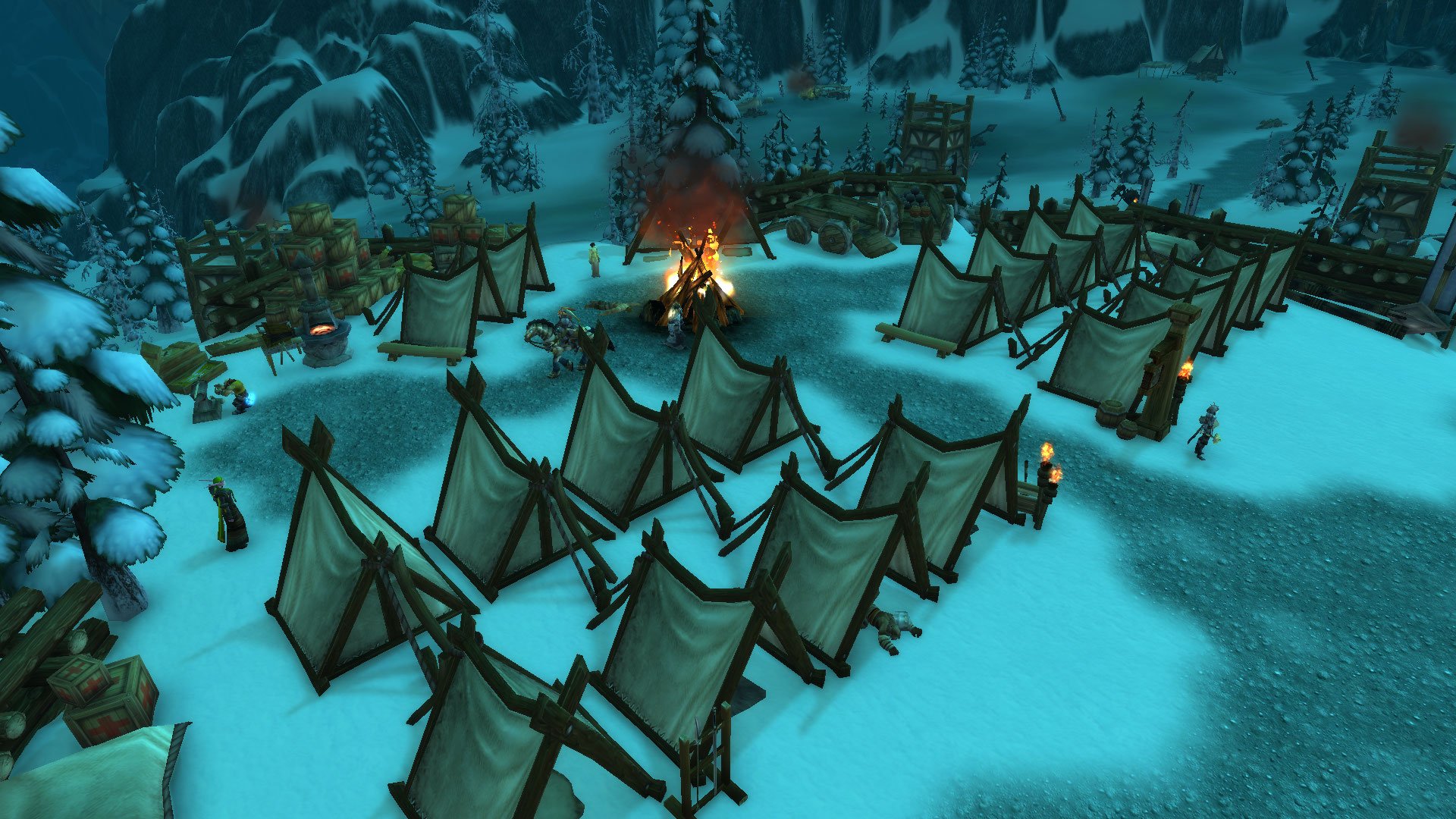
Karazhan: the first real raid bill
Karazhan is the entry raid of the expansion and the place where most players start to feel the weekly cost. You will need attunement, which takes time and sometimes materials, plus gear that survives the encounters. Many guilds ask for resistance to specific damage types on certain bosses, and a few expect fire or shadow gear for particular fights.
Consumables matter even here. Flasks, food buffs, potions and sometimes oils or stones for weapons add up when you run weekly. Repair costs after a few wipes can also surprise newcomers. Budget for several attempts per boss while the group learns the fights, not just for a clean clear.
Gruul’s Lair and Magtheridon: stepping up the demands
Gruul’s Lair and Magtheridon’s Lair are more compact than Karazhan but less forgiving. High King Maulgar needs coordination and sufficient gear on tanks and healers, while Gruul punishes weak preparation. Magtheridon requires clickers, cube control and well-timed cooldowns, along with good survivability.
Players who arrive at these raids expect to have heroic dungeon gear, a solid set of enchants and enough gems to fill sockets. Missing pieces often mean buying from the Auction House or from other crafters at a premium. That is where many raiders feel the squeeze, because upgrades are needed across several slots at once.

Enchants, gems and crafted gear
Each slot on your character can usually hold an enchant, and many items have sockets. A fully prepared raider therefore carries a large number of small purchases, each of which looks cheap alone. Together they form one of the biggest bills of the entire expansion.
Crafted epics are a good example. Blacksmiths, tailors and leatherworkers can make strong items, but the materials and cooldown-gated components cost time and gold. If a guildmate crafts for you, bring the materials and tip them. Compare options, and avoid overpaying for an item you will replace in a few weeks.
Flasks, food and repairs
Consumables are the weekly tax. Alchemists can supply flasks at lower cost if you provide materials, and cooks can supply food buffs. Stockpile herbs and ingredients in advance and buy them in quiet hours. For tanks, repair bills are generally highest, so a small repair fund should be part of your routine.
Track your raid expenses for a few weeks. Once you know your average, you can set a clear weekly target for gold income, whether you plan to farm, craft or trade.

Closing a gap: farming, trading and boosts
If your gold falls short, begin with options that require no outside help. Gather herbs and ore in Outland zones, sell surplus materials, and run dungeons for tradeable drops. Many guilds also run gold-sharing or loot systems that fund consumables and repairs for everyone. Ask your officers; some guilds subsidise flasks for core raiders.
Selling your own time, for example as a crafter or a dungeon carry, can earn gold while also helping others. It is slower than a lump sum but carries no account risk.
Buying gold and the scams around it
When time is the real shortage, some raiders look at purchasing coins instead. If you reach that point and decide to buy wow anniversary gold, treat it as a risky transaction. Blizzard’s rules do not allow real-money trading of in-game gold, and accounts linked to it have been warned, stripped of gold or banned.
Scammers target exactly this moment. Common patterns include fake storefronts that copy real ones, sellers who ask for your password so they can deliver gold, requests for payment outside protected channels, and users in chat or Discord who promise a discount if you act now. Some will take your money and vanish. Others will deliver, then dispute the payment so that you lose both the money and the gold.
A few safety rules help. Never give your account details. Be suspicious of unusually low prices. Read independent reviews, not only testimonials on the seller’s page. Begin with a small order, keep every receipt and screenshot, and use payment methods with buyer protection. None of these steps removes the policy risk, and you should accept that before you pay.
Spotting scams inside the game
Not every scam involves a website. In-game whispers offering cheap enchants, trade requests that swap items at the last moment, and mail messages claiming you have won something are all familiar tactics. Check every trade window before accepting, and decline any request to log in from a link.
Guild recruitment scams exist too. If a stranger asks you to pay for a raid spot or to hand over a character for gearing, say no. Legitimate guilds do not need your login details.
Gold and gear priorities for each raid tier
A helpful way to avoid overspending is to rank upgrades by how much they improve your performance per coin. For most roles, a few key enchants on weapon, chest and boots give the best return early. Gems that complete socket bonuses come next, followed by trinkets and rings from heroic dungeons that cost nothing but time.
Tanks should put survivability first, healers should prioritise mana and spell power, and damage dealers should balance hit rating before chasing raw numbers. Hitting caps matters more than a slightly better weapon, and it costs far less.
Review your gear after every few clears. Replace the weakest piece first, not the most glamorous. This habit keeps your weekly bill modest while your raid contribution rises steadily, and it makes any gold you do earn go further.
A simple plan before your first lockout
Make a list of your slots, your enchants, your gems and your consumables. Price each on your realm. Add a repair fund equal to several wipes. Compare that total to your current gold and decide how many days of farming, crafting or trading will cover it.
With a clear plan you walk into Karazhan confident, you waste less on impulse buys, and you stay less exposed to anyone promising an easy shortcut. The raids reward preparation, and your account is worth more than any quick fix.
